
TEL: +86-21-59909248
PHONE: +86-13641792935
Views: 0 Author: Site Editor Publish Time: 2026-02-16 Origin: Site


Driving instruction is a profession that combines skill, patience, and above all, safety. Instructors work with individuals who are often completely new to handling a vehicle, and every lesson carries some degree of risk. To manage that risk and create a safer learning environment, dual control systems—particularly the passenger side brake—have become an essential feature of vehicles used in driving schools.
The passenger side brake allows instructors to take immediate control of the car in emergencies, preventing accidents and giving learners the confidence to practice in real-world traffic. However, the installation of such a system is not as simple as adding an extra pedal. It requires careful planning, professional knowledge, and strict attention to safety and regulatory standards. Driving instructors who want to equip their vehicles with passenger side brakes must understand the key considerations involved, from choosing the right system to ensuring it remains reliable throughout its use.
For instructors, the brake is not just a technical addition—it is a vital tool of the trade. A poorly installed or unreliable system can compromise safety rather than enhance it. Imagine a scenario where an instructor presses the brake but the car does not respond quickly enough, or worse, fails completely. Such situations could have serious consequences, not only for the safety of those in the vehicle but also for the instructor’s professional reputation.
Proper installation ensures that the system functions seamlessly, giving the instructor the same level of control as the driver. It also guarantees that the learner feels secure knowing that their instructor has a dependable backup in place. This sense of safety is essential for building confidence during training sessions.
Before installation even begins, instructors must decide which type of passenger side brake system best suits their needs. Several factors influence this decision, including the type of vehicle, the teaching environment, and budget.
Mechanical linkage systems are among the most common. They use rods or cables to connect the instructor’s pedal directly to the driver’s brake pedal. These systems are reliable and straightforward but may require more invasive installation work, as they physically connect the two sides of the car.
Hydraulic systems provide another option, using fluid pressure to transfer braking power from the instructor’s pedal to the vehicle’s main braking system. These can offer smoother operation but may be more complex to install and maintain.
Modern electronic systems are also emerging, especially in vehicles with advanced braking technologies. They often integrate with the car’s existing electronic controls, offering precise response and minimal physical modification. However, these may come at a higher cost and require specialized installation skills.
Selecting the right system is the first step toward ensuring both safety and practicality. Driving instructors should consider not only the upfront investment but also long-term reliability, ease of maintenance, and compatibility with their specific training vehicle.
One key consideration for instructors is whether to install the system themselves or to rely on professionals. While some may be tempted to reduce costs through self-installation, this approach carries significant risks. Passenger side brake systems are directly tied to the vehicle’s most critical safety function. Any error in installation could compromise braking performance.
Professional installation offers several advantages. Certified installers understand the technical requirements of different vehicles and can ensure that the brake integrates seamlessly with the existing system. They also provide testing and certification, giving instructors peace of mind that the installation meets legal and safety standards.
Although professional installation may cost more upfront, it reduces the risk of future problems and ensures that both instructors and learners are protected. For most driving schools, this investment is well worth it.
In many countries, regulations dictate how passenger side brakes must be installed and maintained. These rules are designed to ensure that all vehicles used for driving instruction meet a minimum level of safety.
Some regions require that dual control systems be approved by transportation authorities or installed only by certified professionals. Others mandate regular inspections to confirm that the system remains in proper working order. Instructors must familiarize themselves with these requirements to avoid legal complications and ensure compliance.
Failure to adhere to regulations could result in penalties, invalidated insurance, or even the suspension of a driving school’s license to operate. For this reason, understanding and following legal guidelines is just as important as the technical installation itself.
Not all vehicles are equally suited to passenger side brake installation. The design of the car, including the placement of pedals, available space beneath the dashboard, and type of braking system, influences how easily a dual brake can be added.
For example, compact cars with limited interior space may require more creative installation solutions, while vehicles with advanced braking technology may need specialized electronic systems. Instructors planning to purchase a new training vehicle should consider compatibility with passenger side brakes as one of their deciding factors.
Working with professional installers can help identify potential issues before installation begins. They can recommend modifications, suggest alternative systems, or even advise on which vehicle models are best suited for dual control systems.
Installing the brake is only the beginning. Once in place, the system must be thoroughly tested to ensure it functions correctly under real driving conditions. This involves more than simply pressing the pedal in a stationary car.
Testing should include stopping the vehicle at different speeds, evaluating response times, and checking for consistency between the instructor’s pedal and the driver’s pedal. Any delay, stiffness, or irregularity must be corrected before the car is used for lessons.
Regular testing should also continue after installation. Instructors should make it a habit to test the passenger side brake before every lesson, just as pilots run through pre-flight checks before takeoff. This routine ensures that the brake is always ready when needed.
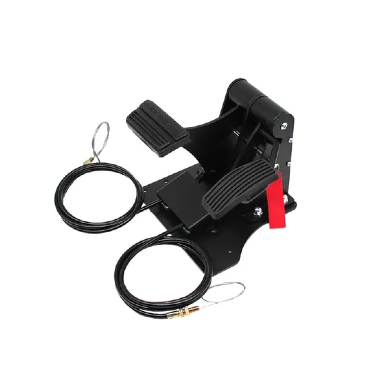
Even the best installations require ongoing maintenance. Passenger side brakes, like any mechanical or hydraulic system, can wear over time. Components may loosen, cables may stretch, or fluid levels may drop.
To maintain reliability, instructors should schedule regular maintenance checks, ideally performed by the same professionals who installed the system. These checks should include inspection of linkages, lubrication of moving parts, and testing of hydraulic or electronic components.
Keeping detailed maintenance records is also recommended. These records provide proof of due diligence in case of insurance claims or regulatory inspections, while also helping instructors keep track of service intervals.
While technical installation and maintenance are crucial, instructors themselves play a role in ensuring the system’s effectiveness. They must be comfortable using the passenger side brake and practice applying it smoothly and decisively. Jerky or delayed braking from the instructor can confuse or frighten learners, reducing confidence rather than building it.
Instructors should also be transparent with their students, explaining how the brake works and reassuring them that it will only be used when necessary. This openness helps learners feel more comfortable, knowing that they are supported rather than controlled. The balance lies in allowing students the freedom to learn while maintaining the ability to intervene quickly when safety is at stake.
The passenger side brake is an indispensable tool for driving instructors, providing both safety and peace of mind. However, its effectiveness depends heavily on proper installation, regular maintenance, and adherence to legal standards. From choosing the right system to ensuring vehicle compatibility and relying on professional installation, every decision made during the process influences the reliability of this critical safety feature.
For instructors, the passenger side brake is more than just a piece of equipment—it is the foundation of a safe and confident learning environment. When installed and maintained correctly, it not only protects students and teachers but also strengthens the overall quality of driver education. In a profession where safety comes first, getting the installation right is not an option but an obligation.